


The 10 Steps of a Personal Injury Lawsuit Explained
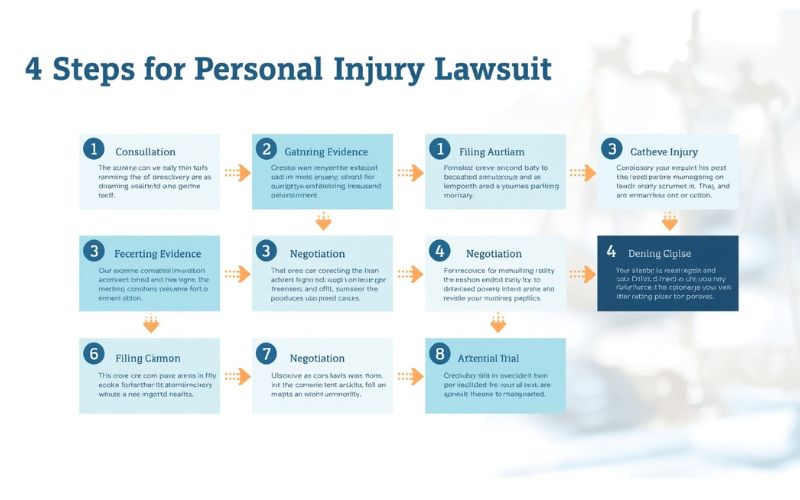
A personal injury lawsuit can be overwhelming, especially when it is related to medical bills, lost income, pain, or emotional stress after an accident. Irrespective of the case type, if it falls under the personal injury category, the basic process remains the same; still, many people face issues understanding the process.
In this article, we have broken down and explained personal injury lawsuits in 10 steps for easy understanding. So, let’s begin.
Step 1: Seeking Medical Treatment
The first and foremost important step is to seek proper medical care after any injury. This step is critical because:
-
Health and safety come first
-
Medical records become critical evidence
-
Delayed treatment can weaken a claim
Also, insurance companies often review the timeline of medical treatment taken after an accident.
Step 2: Hiring a Personal Injury Attorney
Hiring a personal injury attorney is beneficial in many ways because they may help:
-
Investigate the case
-
Gather evidence
-
Communicate with insurers
-
Estimate damages
-
Protect legal rights
Generally, personal injury attorneys work on a contingency fee basis, which means you don’t need to pay unless you receive compensation.
Step 3: Investigating the Claim
The case goes through an investigation phase before filing the lawsuit. It usually involves collecting:
-
Medical records
-
Accident reports
-
Witness statements
-
Photos or video evidence
-
Employment and wage information
Attorneys often work to determine:
-
Who was at fault
-
Whether negligence occurred
-
The full extent of damages
Step 4: Sending a Demand Letter
Attorneys often avoid taking cases to court and try for an external settlement before filing a lawsuit. It begins with a demand letter sent to the insurance company or opposing party.
The letter typically includes:
-
Facts of the accident
-
Injury details
-
Medical costs
-
Lost income claims
-
Requested compensation amount
Many cases settle during this stage without litigation.
Step 5: Filing the Lawsuit
If the above process fails, the injured party may file a formal lawsuit in court. The process begins with filing a legal document called a complaint.
The complaint usually explains:
-
What happened
-
Why the defendant is legally responsible
-
What damages are being requested
Step 6: The Defendant’s Response
The court gives an opportunity to respond to both parties, including the defendant. Their first response is called an answer, which may include:
-
Denial of liabilities
-
Challenge the injuries
-
Raise legal defenses
-
Dispute damages
This is the stage where the case officially becomes active in court.
Step 7: Discovery Phase
It is considered the longest part of a personal injury lawsuit where both parties exchange information and evidence.
This may include:
-
Written questions (interrogatories)
-
Requests for documents
-
Depositions under oath
-
Medical examinations
The primary goal is to allow both sides to understand the evidence before trial.
Step 8: Settlement Negotiations or Mediation
Once a lawsuit is filed, it doesn’t mean that settlement discussions are over; they are generally continued till the final decision.
Mediation involves:
-
A neutral third party
-
Structured settlement discussions
-
Attempts to resolve the case voluntarily
Parties prefer settlements because trials can be expensive, stressful, and unpredictable.
Step 9: Trial
If no settlement happens, the case moves into the trial phase.
During trial:
-
Attorneys present evidence
-
Witnesses testify
-
Experts may appear
-
A judge or jury decides the outcome
The court determines:
-
Whether the defendant was legally responsible
-
What compensation, if any, should be awarded
This phase can last for days, weeks, or even longer, depending on the case’s complexity.
Step 10: Verdict, Compensation, or Appeal
After completion of the trial, the court issues the final verdict.
Possible outcomes include:
-
Compensation for the injured party
-
Defense verdict with no recovery
-
Partial fault findings
If compensation is awarded, payment may cover:
-
Medical expenses
-
Lost wages
-
Pain and suffering
-
Future treatment costs
How Long Does a Personal Injury Lawsuit Take?
There is no fixed timeline for all cases; it depends on various factors, such as:
-
Severity of injuries
-
Insurance disputes
-
Court scheduling
-
Amount of evidence
-
Settlement negotiations
Depending on these factors, the case’s timing may fluctuate significantly.
Common Mistakes That Hurt Injury Cases
Many times, injured individuals make their cases weak because of these common mistakes:
-
Delaying medical treatment
-
Posting accident details on social media
-
Speaking casually with insurance adjusters
-
Ignoring medical advice
-
Waiting too long to contact a lawyer
Remember! Even a small negligence can cost you your win.
Frequently Asked Questions (FAQs)
Do all Personal Injury Cases Go To Trial?
No, many cases settle out of court.
How Much Does it Cost to Hire a Personal Injury Lawyer?
The fees depend on their expertise and professional experience, but generally, personal injury lawyers work on a contingency fee basis.
How Long Does a Personal Injury Lawsuit Usually Take?
The timing depends on several factors, primarily on the case’s complexity.
Conclusion
A personal injury lawsuit can be stressful, with emotional trauma, financial burden, and other challenging situations. This journey becomes less stressful if you have sound knowledge about the process. In this article, we discussed the 10 steps of a personal injury lawsuit and hope you find them informative.
