

Can an Emergency Justify Violating a Distracted Driving Statute?
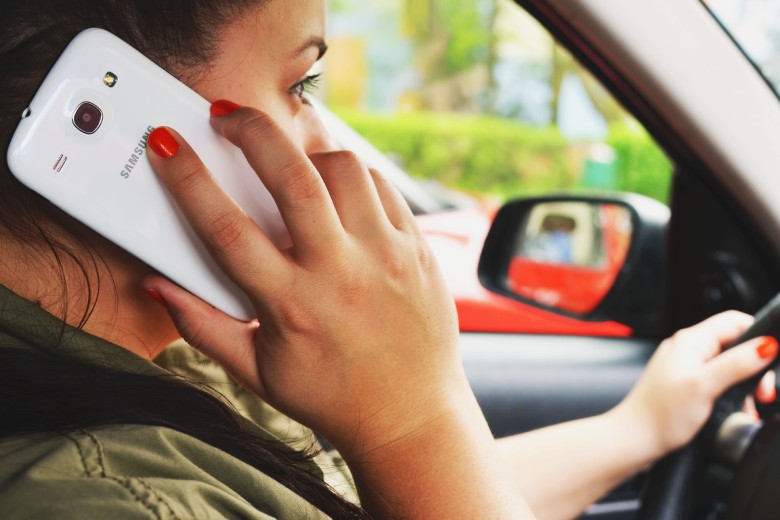
Every year, distracted driving causes road accidents in the US. In 2024, the National Highway Traffic Safety Administration reported that 3,208 people were killed and more than 315,000 people injured in traffic crashes involving distracted drivers. It has long been one of the prime causes of vehicular injuries, along with speeding.
When you think about distracted driving, your mind may conjure images of people sending WhatsApp messages or watching videos while driving. It sounds awfully reckless, but we have all seen it happen. But wait, what if the driver was using their phone or was otherwise distracted because of a genuine emergency?
Let us see what the law says in these cases to understand if you can still be held liable for violating a distracted driving statute.
Is Using a Cellphone While Driving Illegal?
In many parts of the US, yes. It can count as distracted driving if you use your phone to talk or message unless the vehicle is parked and at a permissible location.
The Federal Communications Commission clearly states that 33 US states have banned handheld cellphone use while driving. As many as 49 have banned texting.
Some rules change with:
-
The state
-
The location of your vehicle (say, school crossing zone)
-
The vehicle category (personal or commercial)
-
The driver's age
For example, in Wisconsin, using a handheld device while driving within 500 meters of a construction zone can attract penalties. Authorities actively monitor this through patrols, as part of programs like Zero in Wisconsin and Towards Zero Deaths in neighboring Minnesota.
“The message is drivers should remain vigilant and aware when driving through work zones and emergency response areas and just in general, place an emphasis on cutting down on distracted driving.” - Sergeant Josh Mauer, Wisconsin State Patrol.
Texas distracted driving laws prohibit wireless communication while driving, except in emergencies. For drivers under 18, this even covers hands-free devices, which means teen drivers cannot be on a Bluetooth call either unless it is an emergency.
Here is a quick overview of how the other factors may affect the legal requirements for using wireless devices while driving:
|
Factor |
Example |
What changes |
|
State |
A driver makes a handheld phone call in California vs. Montana. |
California prohibits drivers from holding or operating a cellphone while driving. Montana's statewide rules are different, so the same conduct may be treated differently. |
|
Location |
A driver uses a handheld phone in Florida on an ordinary road vs. a school-crossing zone. |
Florida prohibits handheld wireless-device use in designated school-crossing, school, and work zones. |
|
Vehicle category |
A person drives a private car while texting vs. drives a commercial motor vehicle while texting. |
Federal rules specifically prohibit commercial vehicle drivers from texting while driving. They also restrict handheld mobile-phone use. |
|
Driver's age |
A 17-year-old novice driver uses a phone vs. a 40-year-old driver in the same state. |
Some states impose additional electronic-device restrictions on young/novice drivers, so the teenager can be subject to a stricter rule. |
What Constitutes an Emergency?
Although it sounds subjective, understanding the definition of emergency in this legal context is vital. Generally, the statute differs by state. The important thing is that you must be able to prove that the emergency was a legitimate and urgent threat to your health, safety, or property.
The US does not currently have any blanket emergency exception for distracted driving. Some states permit phone use in emergencies, while others require a driver to meet specific conditions.
This also means a situation you may perceive as an emergency may not be considered as such in court unless you have corresponding evidence.
Technically, this definition may cover:
-
Medical emergencies
-
Fire or other hazard on the roadway
-
A criminal activity
-
Any other need to contact emergency services
Note that some states allow limited use of a cellphone while driving for navigation or music, as long as it is securely mounted and not handheld. The idea is to eliminate distraction, which can also come from eating or arguing animatedly instead of focusing on the road.
The Governors Highway Safety Association explains the driving behaviors banned across states. Did you know Colorado has an all-cellphone-banned policy for drivers under 18? So, if a teenager was held responsible for an accident because they were distracted by their phone, establishing an emergency may become much more challenging.
What Happens if Distracted Driving Causes an Accident?
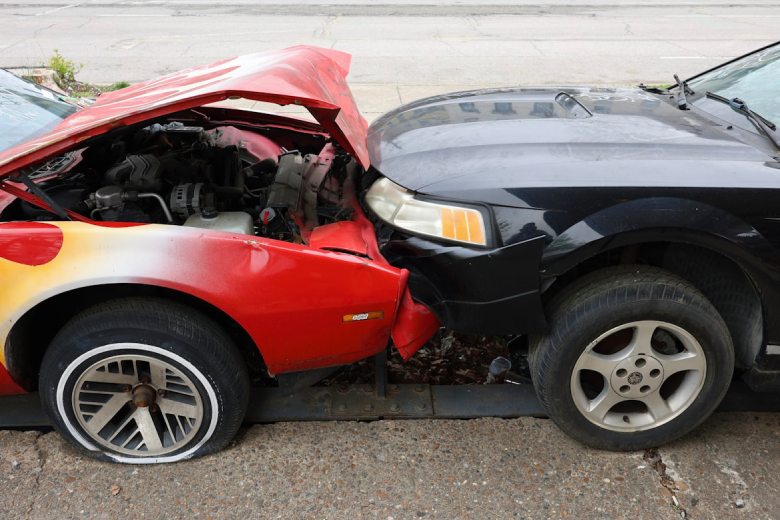
Suppose you were driving distractedly because of an emergency. The consequences may be stark, depending on:
-
Was the cellphone use a statutory violation?
-
Does the statute provide an emergency exception or defense?
-
Was the driver still liable for negligently causing the crash?
Here’s what you should be prepared for in these circumstances.
-
Traffic penalties
You can expect traffic charges, such as fines and licence points. The exact amount will change by state. For instance, in Florida, unlawful cellphone use while driving may cost you 3 licence points.
-
Civil liability
You may have to pay damages for the vehicle and medical bills for the injured.
-
Insurance payouts
Your insurer may have to pay for the damages. It will likely affect your future premiums and coverage criteria.
-
Criminal charges
In severe cases, the driver may be held responsible for charges like vehicular homicide or manslaughter.
If you become the target of a personal injury lawsuit as a result, you may need to prove that your actions were not willful or avoidable.
Proving the existence and authenticity of the emergency requires you to collect admissible evidence. Loewy Law Firm explains that the accident victim may also have access to evidence such as call and message timestamps, app activity, and screen-time logs from the time of impact. Legal counsel can obtain the relevant carrier records by subpoena.
Similarly, suppose you were driving distractedly because you felt you had to reach home urgently. To prove this was a legitimate emergency, you will need concrete evidence that establishes the seriousness. This could be anything from health documents of a family member you were concerned about to a doctor's judgment.
FAQs
What if there is a serious emergency?
If you need immediate assistance from the police, fire department, or paramedics, call 911. Be ready to provide your location, phone number, and information about the emergency.
What is the safest rule for using a phone while driving?
Your phone can wait. If you need to call, text, navigate, or change something on your phone, you should pull over. Park in a safe location first.
What are the penalties for distracted driving?
Penalties vary by state. They can include fines, points on your driver's license, and increased insurance charges. You can face more serious consequences when a crash occurs.
Staying Aware and Honest About Your Defense
As devastating as accidents can be, you cannot always blame them on someone. From calamitous weather to driving under duress due to health and safety pressures, vehicles and the passengers inside can suffer injuries due to diverse reasons. Nothing really “justifies” the pain and suffering, but the law may make exceptions in genuine cases.
Understanding your legal defense options becomes crucial if distracted driving leads to an accident and subsequent injuries or vehicular damage. Working with your attorneys with transparency and cooperation is the best step forward.
Can an Emergency Justify Violating a Distracted Driving Statute?
Who Is Liable When Space Debris Falls Back to Earth?
How Negligence Affects the Outcome of an Injury Claim